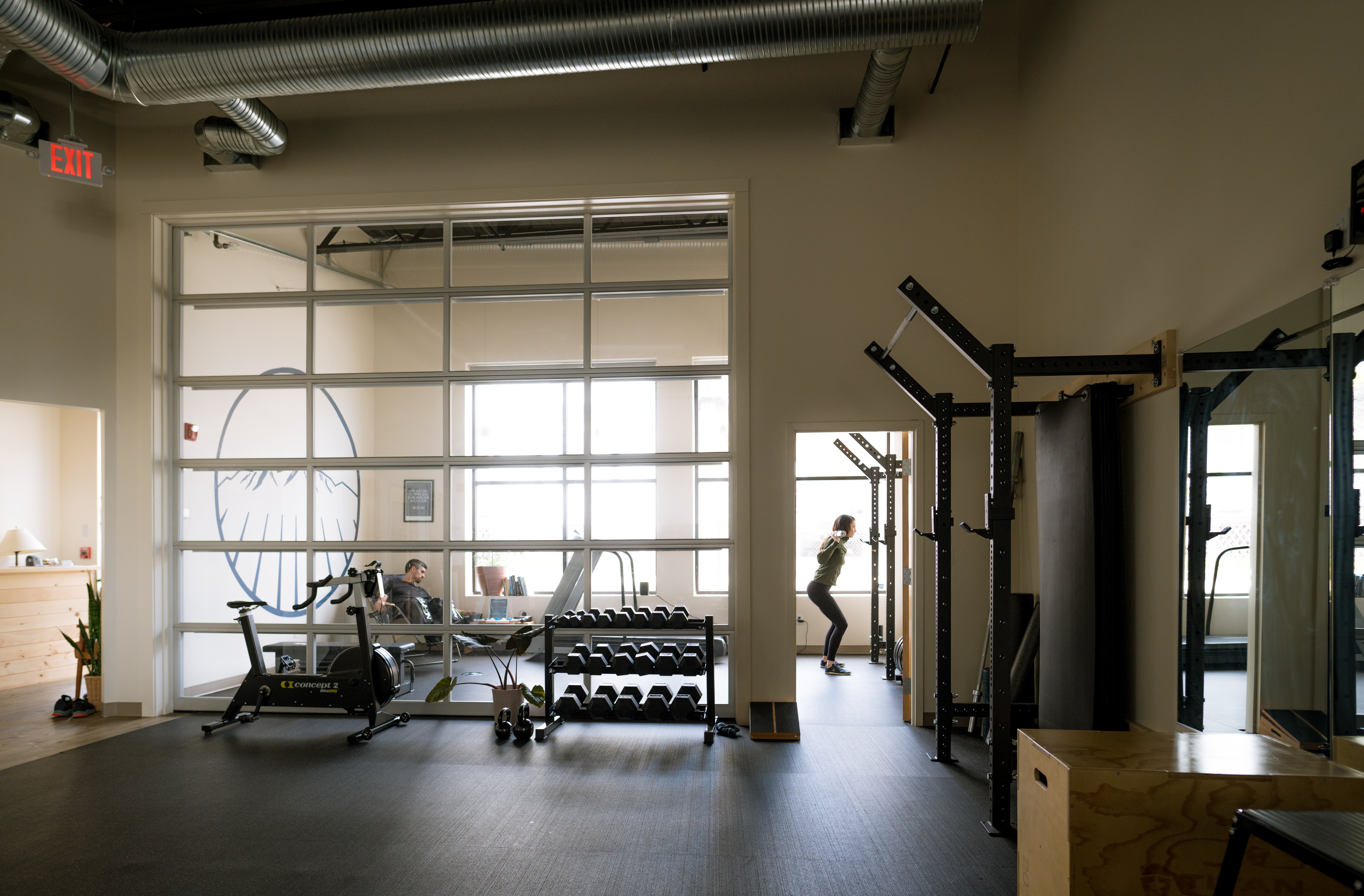
A lot can happen between appointments
Training load may increase or decrease. Pain may respond differently to specific workouts. Sleep and stress can influence recovery. Some clients stay very consistent with their plan, while others begin modifying things on their own.
Over the course of a week or two, those factors can become the difference between progress and a setback.
Most clinics have limited visibility into that time. You see the client in session, and you hear from them if they decide to reach out. The rest is usually reconstructed during the next appointment.
Many clients get stuck for reasons that develop outside of the clinic, including:
- inconsistent adherence to the plan
- training changes that were not discussed
- uncertainty about what pain during activity means
- recovery challenges that influence progression
- gradual disengagement from the process
These issues often develop gradually and are rarely obvious in real time.
Excellent Performance PT includes guiding what happens between visits, not just what happens during them.
Find Your Steady State was built to support the time between visits
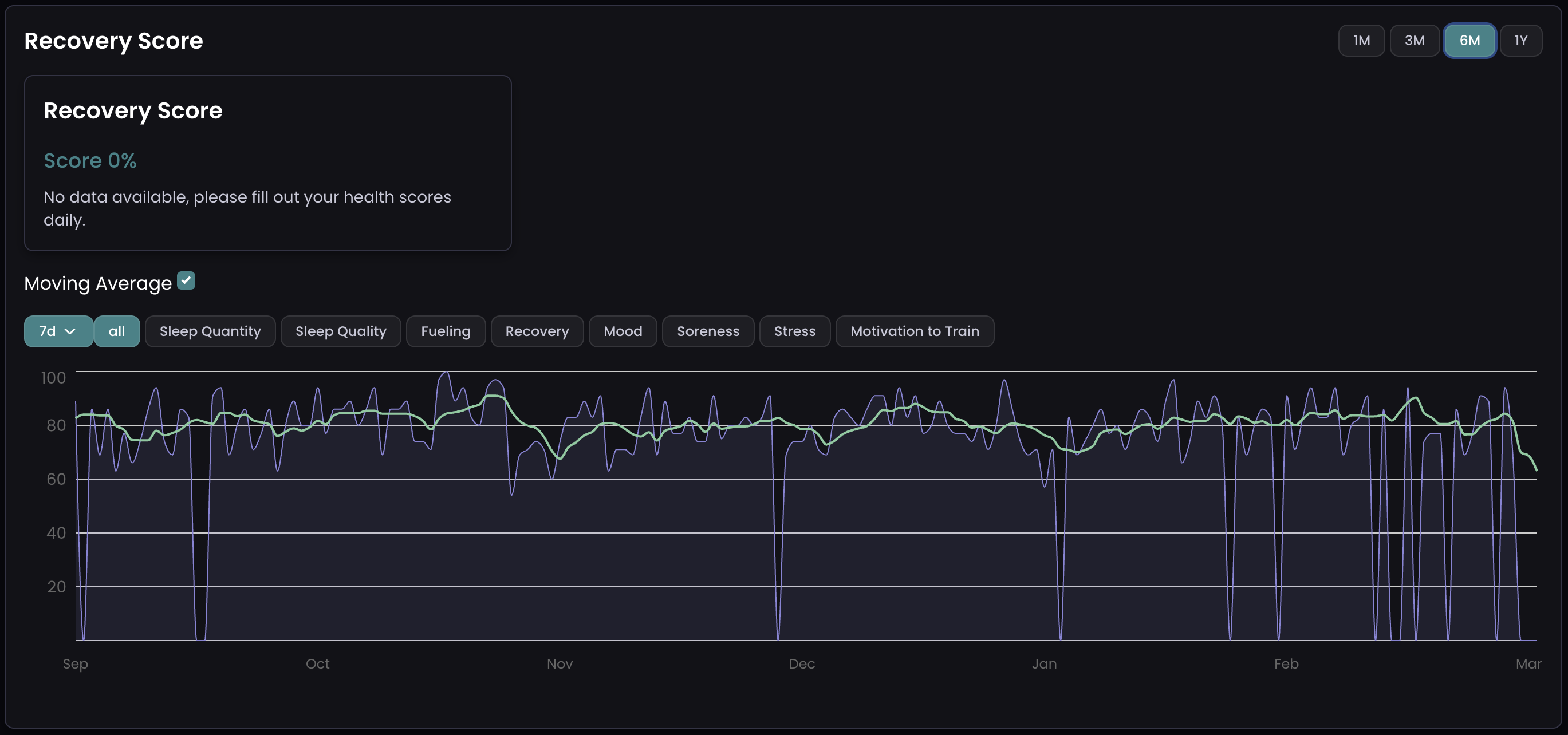
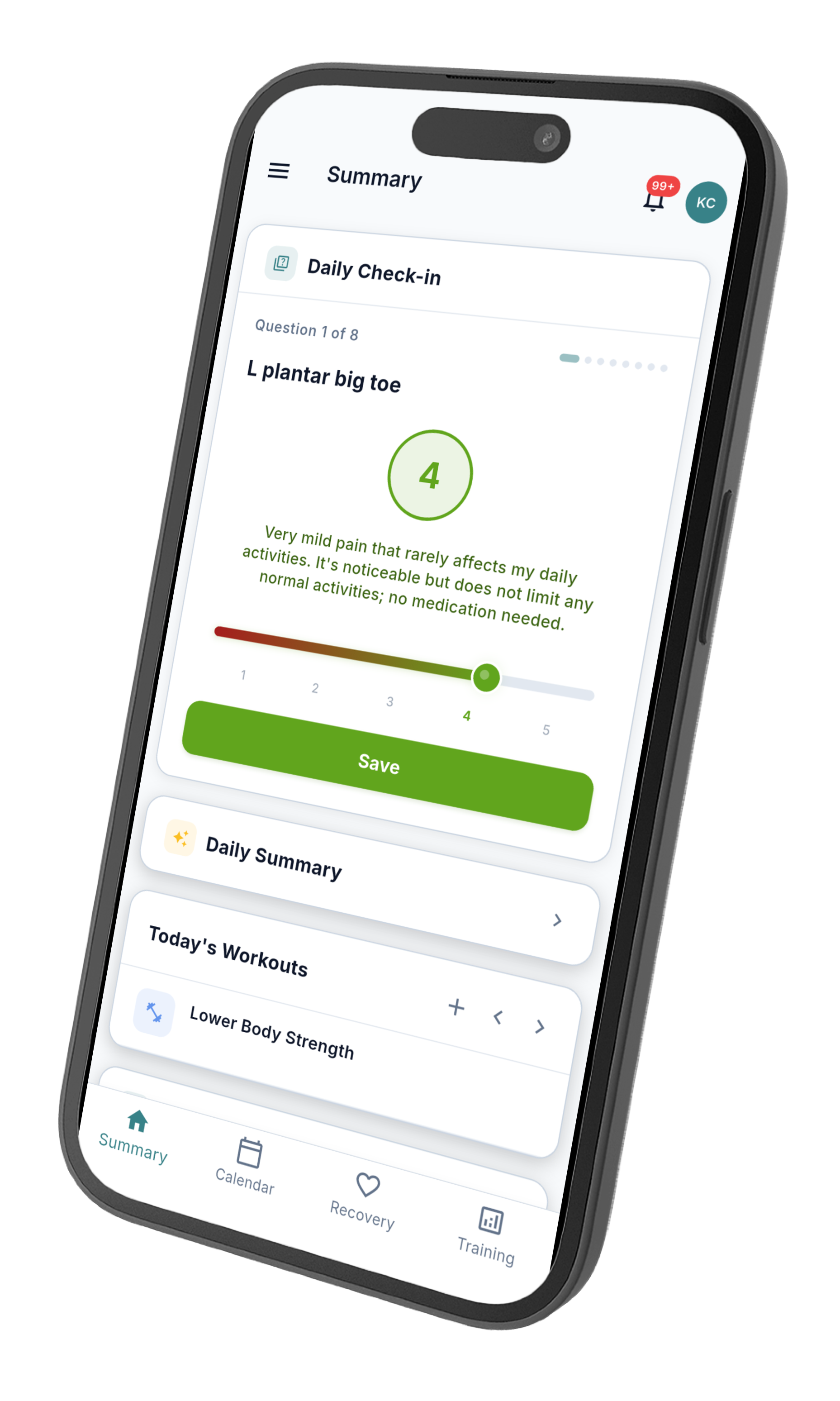
Clients can log recovery, pain, soreness, sleep, mood, effort, their menstrual cycle, workouts, and any other information that is relevant to their case. Training activities can also sync automatically from tools many athletes already use, such as Strava, Apple Health, and GPS watches.
Over time, this gives the clinician a clearer picture of adherence, symptom response, and training decisions.
That information changes the nature of the conversation during appointments.
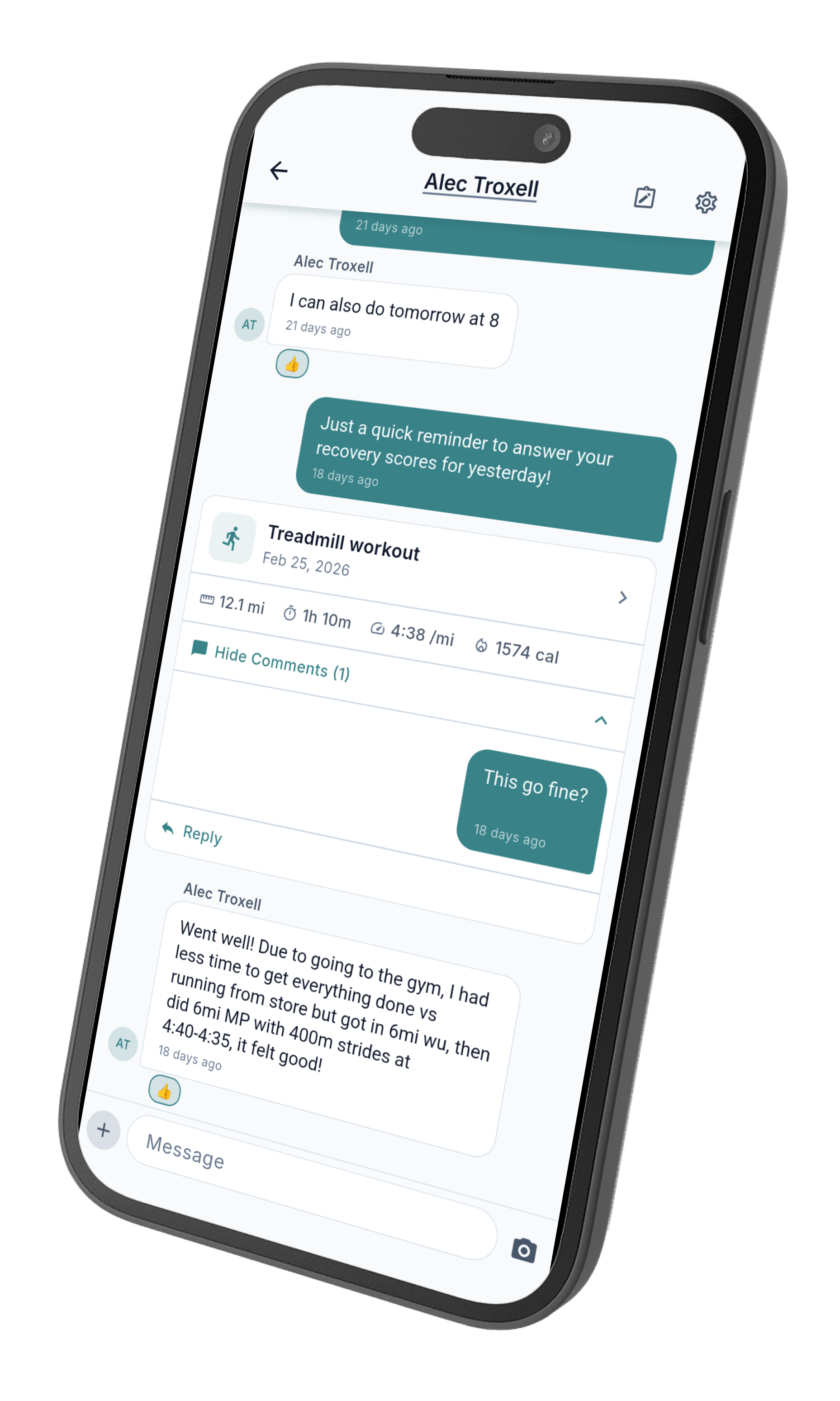
Instead of relying on memory or brief recaps, the clinician can review what actually happened since the previous session. This often makes it easier to decide when to progress, when to maintain, and when something needs to change.
For clinics working with athletes over longer plans of care, this visibility helps clinicians remain involved as the athlete moves from rehab back into normal training.
Client accountability is often the real constraint
Most performance PTs can design a strong program.
The harder part is helping clients follow through consistently enough for that plan to work. This typically includes:
- completing the prescribed work regularly
- progressing exercises appropriately
- adjusting activity levels when symptoms change
- maintaining engagement over several months
When between-session accountability is minimal, athletes often have things come up that slow their progress or change the direction of their training.
Steady State helps support this process by making it easier for clients to log their activity and allowing clinicians to set automated check-ins based on the patterns they want to monitor.
Pain and training data are most useful together
In performance PT, pain rarely exists in isolation.
It is usually connected to training load, recovery, sleep, stress, and overall fatigue. When those pieces live in separate places, it becomes difficult to understand what is actually influencing symptoms. When they are recorded together, it becomes easier to interpret what the athlete is responding to.
This is one reason many professional sport environments track a small set of daily wellness markers. Athletes often report measures such as sleep quality, fatigue or readiness, muscle soreness, and stress. Research has shown that changes in these subjective markers are closely associated with training stress, illness risk, and injury likelihood.
That same idea applies in performance rehabilitation.
When recovery, pain, and training activity are recorded together, clinicians have a clearer picture of how the athlete is responding to the current plan. This makes it easier to decide when to progress training, when to maintain the current workload, and when something needs to change.
Supporting a higher standard of care
Rehabilitation does not only happen during appointments. Training, recovery, and symptoms continue to evolve between visits.
With better visibility into what clients are doing outside the clinic, clinicians spend less time piecing together incomplete information and more time guiding rehabilitation.
They can make adjustments earlier and have more specific conversations about what is happening in training and recovery.
Clients often feel more supported because care continues between appointments rather than restarting at each session.
Built inside a real performance PT clinic
FYSS came out of six years running a performance physical therapy and coaching clinic focused on endurance and strength athletes.
In our clinic, plans of care are typically longer and focus on:
- rehabilitation
- strength development
- durability
- accountability
- long-term outcomes
These plans include communication and programming updates between visits.
For several years that work was managed with a mix of exercise platforms not optimized for PTs, shared documents, and manual follow-up. This made it difficult to keep track of how clients were doing between visits as the clinic grew.
FYSS was created to support a higher level of care without creating an unsustainable workload for clinicians. It allows clinicians to monitor what happens between visits and set automated check-ins so they can stay involved in the rehabilitation process without adding constant manual follow-up.

Which PTs this tends to work best for
Find Your Steady State tends to work best for clinicians who already take a longer view of rehabilitation.
This often includes performance PTs who emphasize:
- active rehab and strength progression
- load management during return to running or sport
- monitoring symptoms during training
- accountability over longer plans of care
- reducing recurrence rather than only addressing symptoms
- continuing to coach clients long after their initial pain resolve
For PTs already working this way, FYSS often feels like a natural extension of their care.

What often changes after a few months
Clinicians usually find they have a clearer understanding of what happened between visits.
They can review adherence more easily, notice changes in symptoms sooner, and make training and progression decisions with a fuller picture of what the client has been doing.
Clients often report feeling more supported as well, because their clinician has a clearer picture of what is happening between appointments.
How clinicians introduce this to their clients
Not every client will immediately feel excited about using an app.
Some prefer paper programs. Others are hesitant about new technology.
In practice, adoption improves when the explanation connects the app directly to their care.
A simple framing often helps:
Between sessions we keep track of how your training, recovery, and symptoms are responding. This helps us make better decisions about your training and rehab.
When clients understand that the app supports their progress between visits, most become more comfortable using it.

Start small
You do not need to change how your clinic works overnight.
Many clinicians begin by using FYSS with a small group of clients who are already a good fit for a longer plan of care that blends rehabilitation and coaching. This allows them to get comfortable with the process before expanding.
We also help clinics transition their existing programs, exercise libraries, and client lists, and set up their initial workflows so the change does not feel disruptive.